Helping Learner Drivers Gain Driving Experience
Driving experience is the time a learner spends behind the wheel, under supervision, across a widening range of roads and conditions. It is how road rules learned from a book turn into safe, automatic driving habits.
This page explains why practical experience matters and how it tends to build up. It also covers how mentored practice through Christians Drive for Life Liverpool NSW is meant to support that growth. It does not promise hours, and it does not promise test results. What it offers is a clear picture of what good practice looks like.
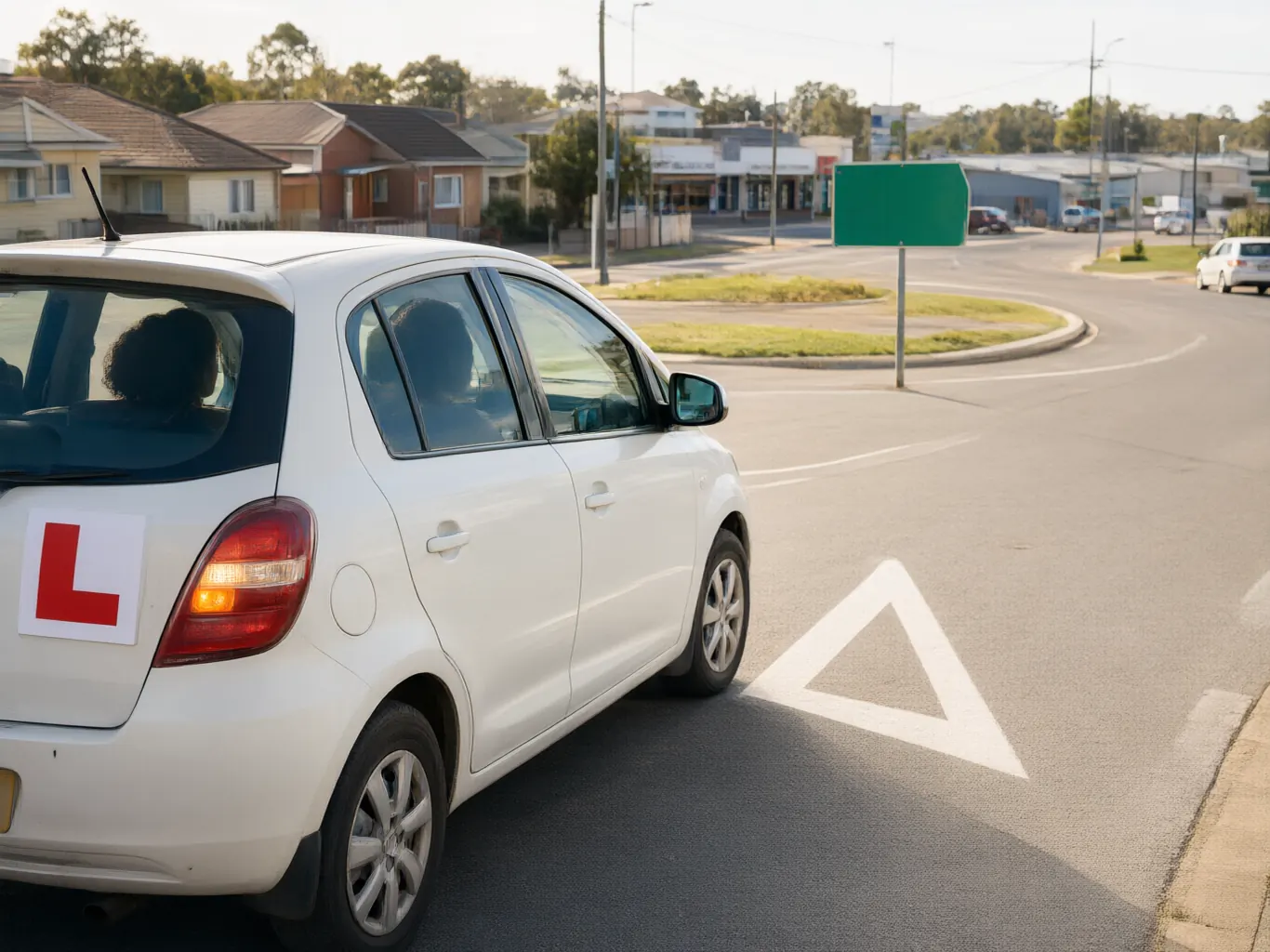
Why does practical driving experience matter?
Safe driving depends on judgement: reading traffic, predicting what others will do, and making decisions early. Judgement only develops through repeated real driving, not through study alone.
The NSW log book requirement for learners under 25 reflects this. It sets a minimum amount of supervised practice, including practice at night, before a learner can move on. Hours are a minimum, though, not a finish line. How varied and how good the practice is matters as much as how long it lasts.
Learners under 25 must record at least 120 hours of supervised driving, including 20 hours at night, and must hold their learner licence for at least 10 months before taking the Hazard Perception Test.
Source: NSW Government, Learner driver licence. Checked 23 September 2026.
How does experience usually build?
Most learners move through broadly similar stages, at their own pace. The next stage should start only when the current one feels controlled.
- Car controlStarting, steering, braking and signalling in a quiet space with no traffic.
- Quiet streetsLow-speed residential roads, intersections, give-way rules and parking.
- Busier roadsMulti-lane roads, lane changes, traffic lights and roundabouts.
- Higher speedFaster roads and merging, within the 90 km/h learner limit.
- Harder conditionsNight, rain, peak-hour traffic and unfamiliar routes.
This sequence is a common teaching approach, not an official NSW stage system. A professional instructor or experienced mentor can help judge when a learner is ready for the next step.
Which driving environments should practice cover?
Varied practice prepares learners for the conditions they will meet once they drive alone.
Residential streets
Parked cars, pedestrians, children, driveways and unmarked intersections all call for low speed and careful scanning.
Arterial roads
Heavier traffic, lane discipline, traffic lights and turning across oncoming vehicles.
Roundabouts and merges
Choosing gaps, giving way correctly and signalling clearly under time pressure.
Night driving
Reduced visibility, glare and judging distance. At least 20 hours are required for learners under 25.
Wet weather
Longer stopping distances, reduced grip and poorer visibility.
Parking and low-speed moves
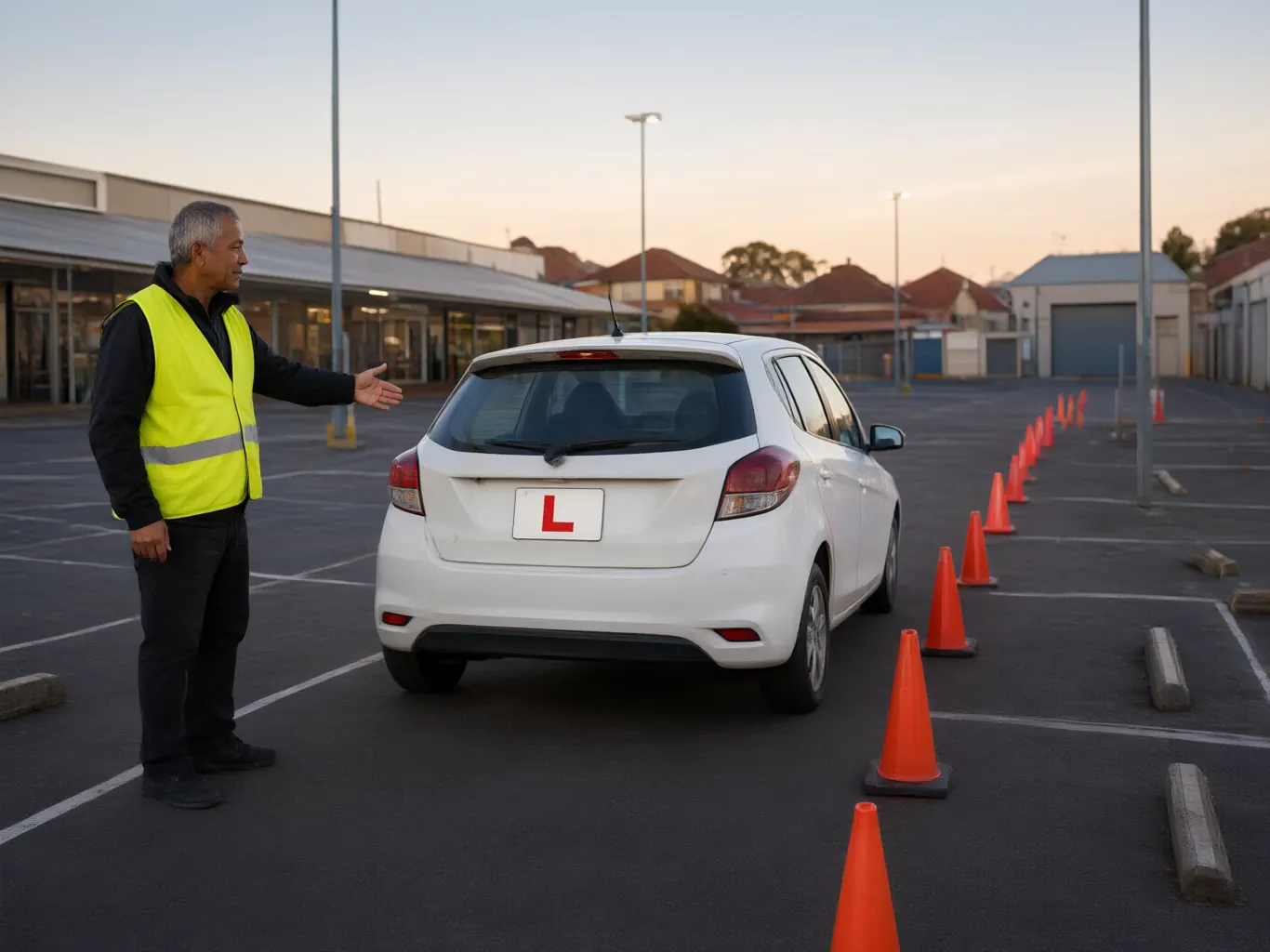
Reverse parking, car parks and three-point turns, which are often part of everyday driving.
What skills develop through repeated practice?
Observation
Checking mirrors, blind spots and the road far ahead becomes a habit rather than something the learner has to remember.
Decision-making
Choosing when to go, when to wait, and what speed suits the conditions, without needing prompts from the supervisor.
Applying road rules
Knowing the rules for a test is different from applying them in moving traffic. Practice closes that gap.
Hazard perception
Spotting potential dangers early. NSW tests this skill before learners can take the driving test.
Calm under pressure
Staying composed when something unexpected happens, which comes from having handled similar situations before.
How can a mentor support this progress?
A consistent mentor can see progress over weeks and months. They can plan each session to stretch the learner a little, not too much, and help turn mistakes into learning rather than setbacks. The mentoring page sets out the mentor's role.
The organisation has not yet published how many sessions or hours it will offer each learner. No specific amount of driving experience is promised.
Practice helps, but it does not guarantee that a learner will pass the Hazard Perception Test or the driving test. Test decisions are made by the NSW Government.
Continue
Sources
- NSW Government: Learner driver licence (hours, tenure, 90 km/h limit, Hazard Perception Test)
- Transport for NSW: Learner drivers (road safety guidance for learners)
Information checked 23 September 2026.